 +86 13717134343


If you are evaluating an automatic steering system, you want the buyer’s version of the story: what changes in season one, what it costs to get there, and where the hype hides.
The Numbers Buyers Care About
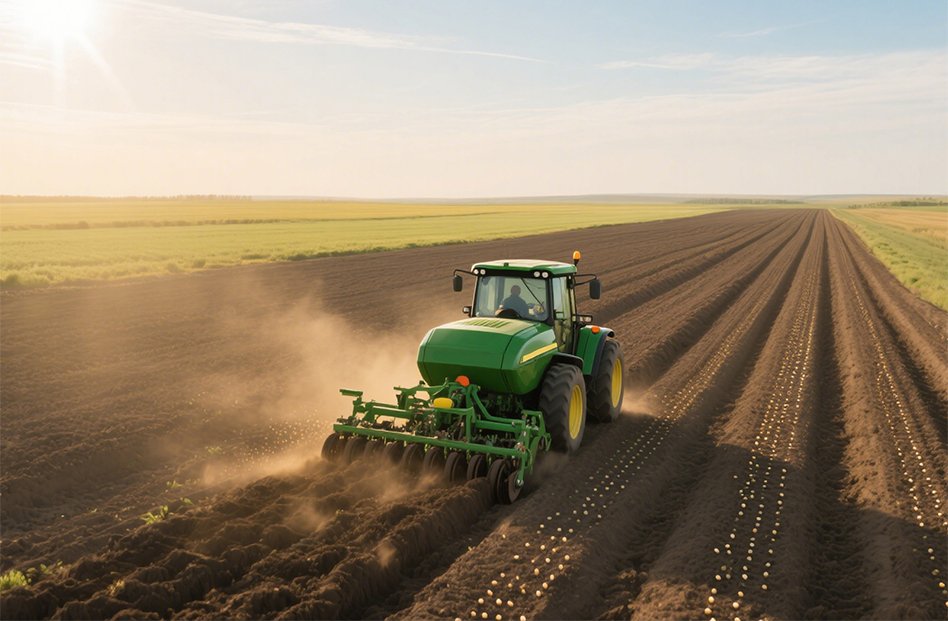
- Overlap reduction: manual passes drift 15–30 cm; auto-steer holds 2.5 cm with RTK. On a 6-meter boom that is pure input savings on every pass.
- Hours recovered: operators run longer at lower fatigue — night spraying becomes normal.
- Speed of work: consistent headland turns and A-B lines lift effective field capacity 5–10%.
- Documentation: as-applied maps that satisfy audits and traceability premiums.
What You Actually Buy
- Position source: RTK base station or subscription correction — accuracy lives here.
- Steering controller: hydraulic valve or motor-drive on the steering column.
- In-cab terminal: the display running guidance; rugged, sunlight-readable, glove-friendly — this is the part your operator touches daily, and where our auto-steering systems concentrate the engineering.
Honest Limitations
Slope drift without dual-antenna setups, signal gaps under heavy canopy, and the learning curve of AB-line discipline in the first two weeks. None are deal-breakers; all are planning items.
Buyer’s Sequence
- Pilot on your most repetitive operation (planting or spraying).
- Track overlap and fuel for one season against a control field.
- Expand by the numbers, not by the brochure.
For most row-crop operations, an automatic steering system pays back inside two seasons through overlap and labor alone — before counting yield effects of tramline discipline. See our auto-steering explainer for how the technology works, then talk to our team about hardware matched to your machines.
Explore the upgraded model & full product line on szpds.com →PDS Technology upgraded site: richer specs, real-time stock, instant quote.